Minimalism is the practice of deliberately owning fewer things and reducing distractions so that the possessions, commitments, and habits that remain are the ones you actually value. It is not a strict rulebook about how many items you’re allowed to keep. Instead, it’s a mindset shift: away from acquiring more, and toward asking whether what you already have is serving you.
What is minimalism, exactly?
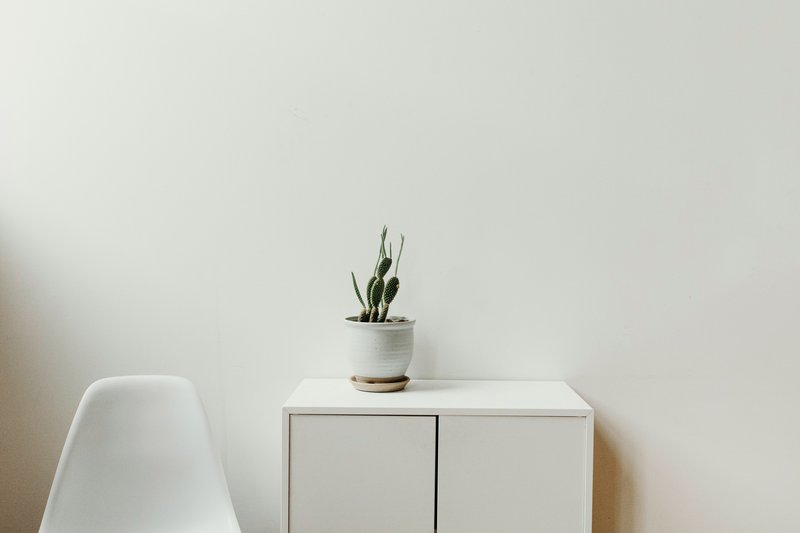
At its core, minimalism means removing the excess so that what’s left has room to matter. This can apply to physical belongings, but it also extends to schedules, digital clutter, and even relationships. The word gets used loosely online to describe empty white rooms and capsule wardrobes, but minimalism as a philosophy isn’t about aesthetics. A minimalist home doesn’t have to look sparse or stylish; it just has to contain things the owner uses or genuinely loves.
A simple working definition: minimalist living means keeping what adds value to your life and letting go of what doesn’t, then being intentional about what you bring in next.
Where the idea comes from
The word has more than one history, which is part of why it causes confusion.
- In art and design, minimalism describes a movement that took shape in the 1960s, especially in the United States, favoring simple geometric forms, industrial materials, and the removal of anything decorative or expressive. The phrase “less is more,” long associated with the architect Ludwig Mies van der Rohe, became a shorthand for this approach in architecture and design.
- In music, minimalism refers to composers who built works from simple, repeating patterns that change gradually.
- In philosophy and religion, the idea of living simply is much older. Certain strands of Buddhism and Stoicism encouraged detachment from material excess as a path to contentment, and many religious traditions include voluntary simplicity.
Modern lifestyle minimalism borrows from all three: the visual clarity of design minimalism and the older psychological goal of needing less to feel at peace.
Minimalism versus frugality
Minimalism is often confused with frugality, but they’re not the same thing. Frugality is about spending less money. Minimalism is about owning less stuff and, by extension, thinking less about stuff. A minimalist might spend more on a single well-made coat they’ll wear for a decade rather than buying five cheap ones. The overlap exists because owning less often does save money, but the underlying goal is different: intentionality rather than economy.
Types of minimalism
Minimalism is not one fixed lifestyle. People tend to apply it in different ways:
- Home minimalism: fewer possessions, clear surfaces, and storage that is easy to maintain.
- Wardrobe minimalism: a smaller, mix-and-match set of clothes, often called a capsule wardrobe.
- Digital minimalism: fewer apps, notifications, subscriptions, and hours spent on screens.
- Financial minimalism: simpler accounts, fewer recurring charges, and spending aligned with priorities.
- Time minimalism: fewer commitments, with more deliberate space in the calendar.
Most people start with one area and find that the habit spreads to others.
Why people adopt minimalism
The reasons vary, but a few motivations come up repeatedly.
- Reducing decision fatigue. Every object in a home represents a small ongoing decision: where to store it, whether to clean it, whether to keep it. Fewer objects mean fewer of these micro-decisions competing for attention.
- Lowering visual and mental clutter. A cluttered environment can make it harder to relax or focus, simply because there’s more visual information to process at any given moment.
- Freeing up money and time. Buying less, maintaining less, and cleaning less all free up resources that can go toward experiences, savings, or rest.
- Clarifying values. Deciding what to keep forces a person to articulate what actually matters to them, rather than accumulating things by default or habit.
The mental health connection
Clutter and mental health are linked in ways that go beyond simple tidiness preferences. A disorganized or overstuffed living space can act as a constant low-level stressor: it’s a visual reminder of unfinished tasks, and it makes it harder to find things, which adds friction to daily routines. For some people, this friction contributes to feelings of being overwhelmed or stuck.
Reducing possessions doesn’t cure anxiety or depression, and minimalism shouldn’t be framed as a substitute for treatment when those conditions are present. But many people who declutter report feeling calmer in their own homes or finding it easier to concentrate in a simplified workspace. The benefit seems to come less from the specific number of objects and more from restoring a sense of control over one’s environment. When a room reflects only what you’ve chosen to keep, it stops presenting a constant, silent to-do list.
There’s also a psychological benefit to breaking the cycle of acquisition. Constantly seeking new purchases can create a treadmill effect, where satisfaction from a new item fades quickly and prompts the next purchase. Stepping off that treadmill, even partially, can reduce the low-grade dissatisfaction that comes with always chasing the next thing.
How to start living with less
Minimalism doesn’t require an immediate purge of everything you own. A sustainable approach starts small, builds a decision-making habit, and expands gradually.
Start with one category, not one room
A common mistake is tackling “the bedroom” or “the garage” as a single project, which is often too large and emotionally mixed to finish in one sitting. Instead, start with a narrow category: all your t-shirts, all your coffee mugs, all your books. Narrow categories are easier to compare item against item, and finishing one gives momentum for the next.
Use a simple keep-or-go test
For each item, ask two questions: Have I used this in the past year? and Would I buy this again today, knowing what I know now? If the answer to both is no, it’s a strong candidate to donate, sell, or discard. Sentimental items are the exception. It’s reasonable to keep a small number of things purely for meaning, as long as that category doesn’t quietly expand to include everything.
Set a holding area, not an instant trash pile
For items you’re unsure about, use a box or bag as a holding area rather than deciding on the spot. Set a date, thirty or sixty days is common, and if you haven’t reached for anything in that box by then, it’s safe to let it go without further deliberation.
Slow down new purchases
Decluttering only works long-term if fewer new things come in to replace what left. A simple rule is to wait 24 to 48 hours before buying anything that isn’t a planned necessity. This pause filters out impulse buys driven by boredom or momentary desire, leaving purchases that are actually intentional. A “one in, one out” rule, where each new item replaces an old one, works well for clothing and books.
Apply the same thinking beyond physical objects
Once the habit of asking “does this serve me?” becomes familiar, it can extend past physical belongings:
- Digital clutter: unsubscribe from unused email lists, delete unused apps, and organize files so your devices feel as calm as your home.
- Commitments: review recurring obligations such as subscriptions, volunteer roles, and standing social plans, and drop the ones that no longer bring value.
- Schedule: leave some unstructured time in your week rather than filling every slot, mirroring the way a minimalist room leaves visual breathing room.
Expect the process to be gradual
Most people who adopt minimalism describe it as an ongoing practice rather than a one-time event. Life brings in new possessions, such as gifts, work materials, and seasonal items, so periodic review, rather than a single dramatic decluttering, tends to keep a home and mind manageable over time.
A simple 30-day starter plan
- Week 1: clear one drawer, one shelf, and one bag. Small wins build the habit.
- Week 2: sort one category of clothing and one category of kitchen items.
- Week 3: tackle digital clutter: apps, email subscriptions, and notifications.
- Week 4: review recurring spending and commitments, then decide on a rule for new purchases.
Common misconceptions
- “Minimalists own almost nothing.” Some do, but most simply own less than before and choose more deliberately.
- “You have to throw everything away.” Selling, donating, and recycling are all part of it, and keeping things you use is the point.
- “It only works for single people.” Families practice minimalism too, usually by focusing on shared spaces and agreeing on simple rules together.
Conclusion
Minimalism is less a strict lifestyle formula and more a lens for evaluating what deserves space in your home, your schedule, and your attention. Starting small, with one category of belongings, one simple test for keeping or letting go, and one pause before a new purchase, builds a habit that can extend far beyond physical clutter. The goal isn’t an empty room; it’s a life where what remains is genuinely useful or genuinely valued.